
Adolescents are often desperate to be heard. Listen.
Editor’s note: This column was filed last week, prior to the May 24 shooting in Uvalde, Texas.
By Chris Honoré
For more than a decade, I was a teacher of high school English, giving me the opportunity to observe the patterns of behavior and interactions of adolescents. I often thought about my own adolescence as well, and concluded that this unparalleled period in our lives is defined by intense physical and mental changes, and represents a bridge between being a youngster and the onset of early adulthood.

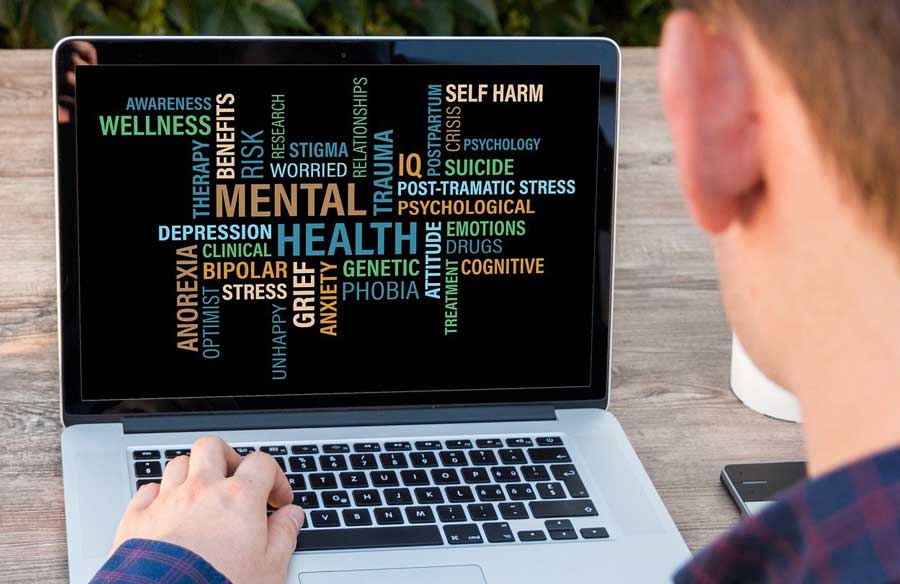
I recently came across an article in the New York Times by journalist Matt Richtel titled, “It’s Life or Death: U.S. Teenagers Face a Mental Health Crisis.” He writes, “American adolescence is undergoing a drastic change. Three decades ago, the gravest public health threats to teenagers in the U.S. came from binge drinking, drunken driving, teenage pregnancy and smoking. These have fallen sharply, replaced by a new public health concern: soaring rates of mental disorders.”
Richtel goes on to say that “in 2019, 13 percent of adolescents reported having a major depressive episode (a 60 percent increase from 2007). Emergency room visits by children and adolescents (10-19) for anxiety, mood disorders and self-harm also rose sharply during that period. From 2015 to 2019 prescriptions for anti-depressants rose 38 percent for teenagers as compared to 15 percent for adults. In the age range of 10 to 24, suicides, which had remained stable from 2000 to 2007, increased nearly 60 percent by 2018, according to the Centers For Disease Control and Prevention.”
This decline in mental health among teenagers, was, of course, exacerbated by the onset of the COVID-19 pandemic (school lockdowns and closures). Last December, the U.S. Surgeon General warned of a “devastating mental health crisis among adolescents.” Numerous hospitals and pediatrician groups have referred to it as a national emergency, citing insufficient research to explain the trend.
In other words, the search for causation continues with no definitive explanation yet to be established. However, there does seem to be a correlation between the diminishing mental health of adolescents and the increasing use of social media technology such as Instagram, TikTok, Facebook, Twitter, YouTube and the ubiquitous “like buttons.” Apple began selling the iPhone in 2007 and Facebook opened for general use in 2006, and by 2009 one-third of Americans were signing on.
What is not in dispute is that the surge in the use of technology is impacting the patterns and rhythms of young people’s lives: Teenagers report spending less time on in-person activities such as hanging out or dating. And there has also been a decline in exercise and sleep. Federal research has revealed that the number of high school students who sleep at least eight-10 hours nightly has dropped by 30 percent from 2007-2019. For the pubescent brain, the necessity of sleep is critical to development and learning, as is face-time socializing, and physical activity. The absence of such can result in feelings of loneliness, less contentment and happiness.
One other factor that researchers indicate may come into play regarding this mental health crisis is that over the last century the onset of puberty for girls has dropped markedly from 14 years to 12. For boys it has been similar.
Psychologists have also suggested that with puberty the adolescent brain becomes hypersensitive to social information, especially as teenagers go about exploring their identity and self-worth while attempting to answer questions such as, “Who am I? Who are my friends? Where do I fit in? What does being ‘liked’ mean?” It’s not a reach to recognize the role that social media now plays in the attempt to answer these questions, which, at times, can seem overwhelming.
All of the above begs the question: What are the signs of an adolescent struggling with anxiety or depression? Parents should be aware of changes in appetite, lack of participation in activities previously enjoyed, altered sleep patterns, or withdrawal from other aspects of life once enjoyed.
And concerned parents of adolescents should not hesitate to reach out in a clear and direct manner while being compassionate, gentle, curious, and persistent while trying and avoid blame. Adolescents are often desperate to be heard. Listen.
Email Ashland resident Chris Honoré at honore307@gmail.com.


