The settlement of the lawsuit House v. NCAA will change the world of college sports
By Herbert Rothschild
In my senior year at Yale (1960-61), our football team gained national recognition. Undefeated, it was ranked 14th in the final Associated Press poll and 18th in the final UPI Coaches poll. Although Ivy League teams had dominated college football early in the 20th century, after the Ivy Group Commitment of 1954, it was rare that any of its teams were prominent nationally. The Dartmouth team of 1970 has been the only Ivy team since 1960 to rank in the top 20 at season’s end.

As early as 1945, the Ivy League schools enacted some measures to assure that their football programs would resist a trend toward treating players differently than other students. The 1954 agreement extended those measures to all their intercollegiate athletics, though the prohibition on participation in postseason contests applied only to football. Athletic scholarships were totally banned, although it’s no secret that high school standouts do get a leg up in the admissions process.
When I joined the faculty at Louisiana State University in 1965, I found athletics there quite different. Surprisingly, in a meaningful sense LSU fell far short of Yale. There were many fewer intercollegiate sports — crew, squash, lacrosse, ice hockey and others (even swimming at that time) didn’t exist — and a much smaller percentage of the student body participated in intramural sports.
LSU football, however, was a huge enterprise, with basketball a distant second. Much later, LSU became a baseball powerhouse. Home football games were the biggest entertainment in Baton Rouge and for miles around. Tickets were hard to come by, and when the team played its home games, which were on Saturday nights, it was almost impossible to get a babysitter. A priest at the Catholic student center told me that collections at Sunday masses rose when the team won and fell when it lost.
Most of the football and basketball players had a quite different college experience than their classmates. The coaching staffs controlled their lives. They slept in separate quarters, and they had special academic advisers who steered them into easy courses. They had study halls and personal tutors as needed. Woe to the scholarship holders who didn’t live up to expectations. Their scholarships couldn’t be taken away, so their lives were made miserable to induce them to quit the sport.
After they played out their eligibility, football and basketball players didn’t have much to show for their college years. Only a handful of players from even big programs like LSU’s get drafted into the pros, and many of those don’t stay long. All too many of the others didn’t get the knowledge and skills they needed to do well in other spheres of life. By contrast, with the exception of Mike Pyle, who did well in the NFL, the players on the 1960 Yale football team went on to successful careers in fields for which their studies had prepared them.
My differing experiences at Yale and LSU explain why I have mixed feelings about the multibillion-dollar legal settlement between the National Collegiate Athletic Association, its most powerful conferences, and lawyers representing all Division I athletes. That settlement was given final court approval a week ago.
On the one hand, the settlement spells the end of the spirit of amateur athletics in a significant portion of U.S. higher education. On the other hand, it will mitigate the exploitation of young adults — a large percentage of whom are Black men and women from lower-income homes — by universities for which football and basketball programs are business enterprises, not extracurricular activities.
House v. NCAA, a class-action antitrust lawsuit, was filed in 2020 by Arizona State swimmer Grant House and basketball player Sedona Prince (Oregon then Texas then Texas Christian University) seeking an injunction against the NCAA and Power Five conferences — the Atlantic Coast, the Big Ten, the Big 12, the Southeastern and the Pac-12 (which is in the process of adding teams to its two remaining original members, Oregon State and Washington State). Notre Dame was also included. The settlement allows other colleges and universities to opt in.
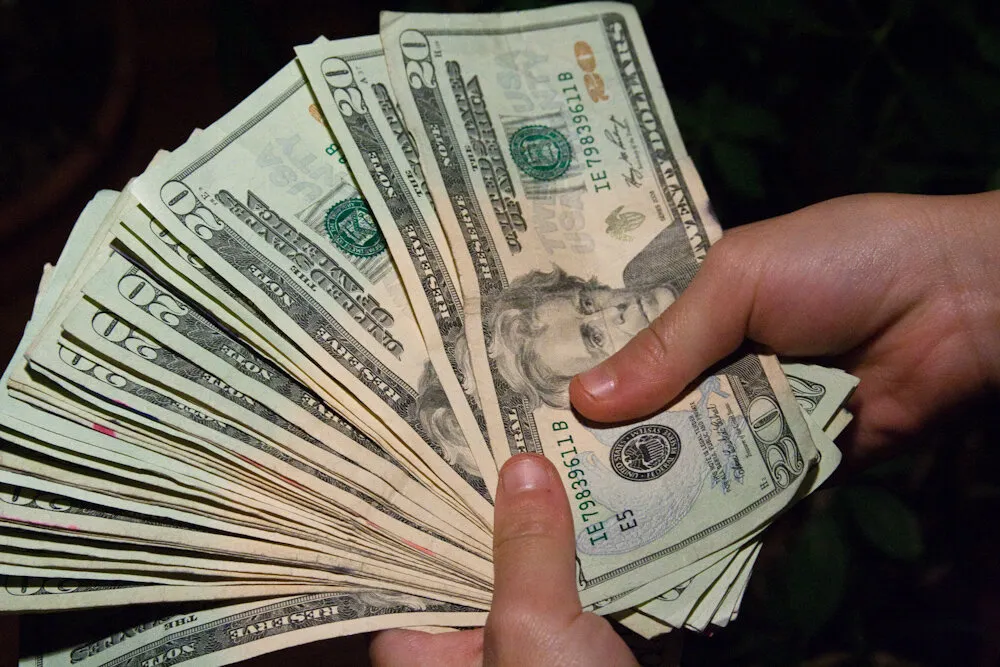
The suit sought to lift restrictions on sharing media revenues with players. A major provision of the settlement is that the NCAA will pay nearly $2.8 billion in back damages over the next 10 years to athletes who competed in college at any time from 2016 through the present day. Roughly 75% of future revenue will be shared with football players, 15% with men’s basketball, 5% with women’s basketball and 5% with all remaining sports. The percentages reflect the percentage of the money each sport generated for the colleges and universities covered by the settlement.
Each of the affected institutions will distribute a capped amount annually to their athletes. For the coming year the cap is set at $20.5 million. How each institution will divvy up the money is discretionary. Most schools are expected to mirror the back-payment formula the NCAA will use. Some schools will base the percentages on the gross revenue each sport averages, which could lead to more than 85% of the salary pool being set aside for football players.
The power conferences are establishing a College Sports Commission tasked with overseeing the settlement’s terms and enforcing new rules. One of its duties will be to regulate the way that star college athletes are now cashing in on the use of their names, images and likenesses.
In 2021, the U.S. Supreme court ruled in NCAA v. Alston that college athletes could monetize their personal brand while retaining their amateur status in collegiate athletics. Before that ruling, college athletes legally could receive only scholarships and limited housing aid. NCAA v. Alston opened a door that gung ho alumni rushed through. Third parties and collectives have been funneling money to star players through “play for pay” schemes far beyond the athletes’ perceived market value.
According to Business of College Sports, the CSC will use sophisticated software to police name, image and likeness deals over $600 with a new clearinghouse called NIL Go. Deals under scrutiny will be subject to an arbitration process, which could speed up decisions on eligibility and penalties under the new system.
I believe this settlement will make life fairer for a majority of the athletes who fill the coffers of their universities. But compared to what made “Boys in the Boat” so heartwarming, this new world of college athletics seems impoverished.
Herbert Rothschild’s columns appear Fridays. Opinions expressed in them represent the author’s views. Email Rothschild at herbertrothschild6839@gmail.com.