New version of guide works to educate private landowners how to care for and restore oak habitats on their properties
Ashland.news staff report
In partnership with the Umpqua Oak Partnership (UOP), the Klamath Siskiyou Oak Network (KSON) has released version 3.0 of “Restoring Oak Habitats in Southern Oregon and Northern California: A Guide for Private Landowners.” The funding for this landowner guide was from the Secure Rural Schools Title II program administered by the Bureau of Land Management Western Oregon Resource Advisory Committee.
The Rogue Valley region holds onto Oregon’s largest remaining section of oak habitat. The majority of it is owned by private landowners. Since 2017, Southern Oregon and Northern California landowners have protected and restored more than 5,000 acres of oak and prairie habitat.

Northwest oak and prairie landscapes are among the most drought-tolerant, wildfire-resilient native habitats in North America, and oak trees play a key role in the ecosystem. If they are not restored, protected, and maintained, important natural processes could be lost forever.
Over 300 wildlife species use oak habitats during their life cycle, and with 45 of these species already considered to be ‘at risk,’ continued habitat loss and degradation will result in more species becoming vulnerable. Additionally, overstocked and unmanaged oak stands present an increased risk of unnaturally severe wildfire, not only resulting in habitat loss, but threatening residences and rural communities.
Stevey Denney, Umpqua Oak Partnership Coordinator says, “As both a landowner located in the Umpqua Basin and one of the authors, I am excited to see this new version of the landowner guide for managing oak habitats. This version of the guide has been updated to include the latest information on managing and restoring oaks and will be a valuable resource for landowners whether you own less than one acre or thousands of acres.”
This landowner guide describes how to apply conservation practices for Oregon white oak and California black oak habitats on private lands in Southern Oregon and Northern California. The document discusses the importance and history of oak habitats across three ecoregions, and provides detailed conservation guidelines for oak habitat restoration by integrating Western science and Indigenous Traditional Ecological Knowledge.
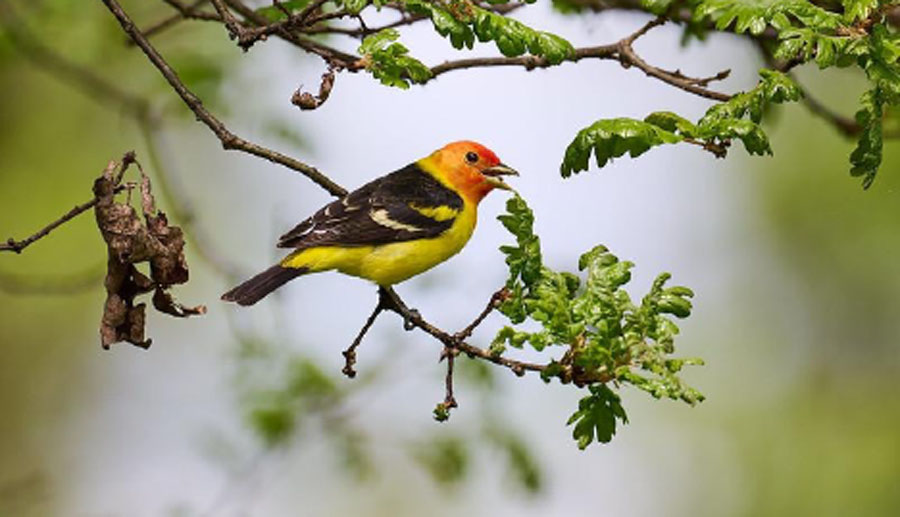
The guide includes supplemental resources for the restoration-minded private landowner. This includes a list of organizations that will assist with private land restoration, and step-by-step instructions for bird monitoring to track the return of wildlife following oak restoration activities.
An exciting opportunity exists for landowners and conservation partners to work together to restore native oak systems and their diverse wildlife communities to reverse these negative trends.
To access the guide, click here.
The Klamath Siskiyou Oak Network (KSON) is a regional collaboration between local agencies, tribes, and non-profit organizations that works to conserve oak ecosystems on private and public lands in southern Oregon and northern California. Since 2011, KSON partners have accomplished thousands of acres of strategic ecological restoration to enhance oak habitat, build climate resilience, bolster cultural resources, and reduce wildfire risk to the ecosystem and communities.
The Umpqua Oak Partnership (UOP) is a collaborative regional partnership of landowners, tribes, agencies, and organizations working together to preserve and promote healthy oak habitats in Douglas County. UOP’s mission is to work to bring people together around oaks, help keep farms and ranches in the family, connect landowners to programs and funding, and share information.
Email Ashland.news at news@ashland.news.